Views: 0 Author: Site Editor Publish Time: 2025-09-29 Origin: Site


Pregnancy is a time of incredible transformation, both physically and emotionally. As your body changes to accommodate your growing baby, it’s important to find ways to stay active and healthy. Pilates, with its focus on core strength, flexibility, and mindful movement, can be a great option for expectant mothers. But what about Reformer Pilates? With its specialized equipment and dynamic exercises, is it safe and beneficial during pregnancy?
The answer is generally yes, but with modifications and careful consideration. Reformer Pilates can be a fantastic way to maintain fitness, prepare for childbirth, and recover postpartum. However, it’s crucial to consult your doctor and work with a qualified instructor who understands the unique needs and precautions of pregnancy.
A strong core is essential for supporting your growing belly and maintaining good posture. Reformer Pilates helps strengthen your deep core muscles, which can alleviate back pain, a common issue during pregnancy.
The pelvic floor muscles support the bladder, bowel, and uterus. Reformer Pilates exercises can help strengthen these muscles, reducing the risk of incontinence and preparing your body for childbirth.
As your pregnancy progresses, your center of gravity shifts, which can lead to postural imbalances. Reformer Pilates helps improve posture and alignment, reducing strain on your back and joints.
The Reformer allows for a wide range of motion, helping to improve flexibility and mobility in the hips, spine, and shoulders. This can be particularly beneficial during labor and delivery.
Pilates emphasizes mindful movement and deep breathing, which can help reduce stress and anxiety. This promotes relaxation and well-being, making it easier to cope with the physical and emotional changes of pregnancy.
The exercises on the Reformer can help improve circulation, reducing swelling and promoting overall cardiovascular health. This is important for both you and your baby.
| Benefit | Description |
|---|---|
| Core Strengthening | Supports your growing belly and improves posture, reducing back pain. |
| Pelvic Floor Strengthening | Strengthens muscles supporting the bladder, bowel, and uterus, reducing incontinence risk and preparing for childbirth. |
| Improved Posture | Helps balance your shifting center of gravity, reducing strain on your back and joints. |
| Increased Flexibility | Enhances flexibility and mobility in hips, spine, and shoulders, beneficial during labor and delivery. |
| Stress Relief | Mindful movement and deep breathing reduce stress and anxiety, promoting relaxation and well-being. |
| Improved Circulation | Reduces swelling and promotes cardiovascular health, important for both you and your baby. |
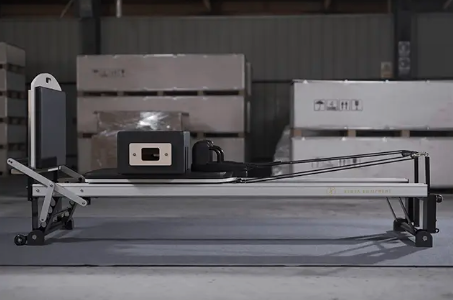
Reformer Pilates can be safe and beneficial during pregnancy, but it requires careful consideration and modifications. Here are some important points to keep in mind:
Before starting any new exercise program during pregnancy, it’s crucial to consult your healthcare provider. They can offer personalized advice and ensure that it’s safe for you and your baby.
A certified Pilates instructor who’s trained in prenatal fitness is essential. They can tailor exercises to your changing body, ensuring safety and effectiveness. Group classes might not offer this level of customization, so one-on-one or small group sessions are ideal.
As your pregnancy progresses, you’ll need to modify your exercises to accommodate your changing body. Here are some key modifications:
First Trimester: Most exercises are safe, but avoid overexertion. Focus on building overall body strength and stability.
Second Trimester: Avoid lying on your stomach and limit time lying flat on your back. Use a wedge or pillows to maintain a semi-reclined position. Choose more exercises in seated, kneeling, side-lying, or standing positions.
Third Trimester: Focus on gentle movements and avoid exercises that could lead to falls or excessive abdominal strain. Your instructor can guide you through these adjustments.
Certain Pilates exercises should be avoided or modified during pregnancy:
Lying Flat on Your Back: After the first trimester, this can restrict blood flow to the uterus.
Exercises That Strain the Abdominals: Avoid exercises that put excessive strain on the abdominal muscles, which can worsen diastasis recti.
Deep Twists and Backbends: These can strain the back and abdominal muscles.
High-Impact Exercises: These can put stress on your joints.
Your instructor can provide modifications and alternative exercises that are safe and effective during pregnancy.
Pregnancy is a unique and dynamic period, and your body will undergo many changes. While Reformer Pilates can be a fantastic way to stay active and healthy during this time, it’s essential to know when to take a break.
You can typically continue Reformer Pilates throughout your pregnancy as long as you feel comfortable and have your doctor’s approval. However, it’s crucial to listen to your body and pay attention to any signals it sends you. If you experience any pain or discomfort, it’s best to stop the exercise and consult with your healthcare provider.
As your pregnancy progresses, you may need to modify or reduce the intensity of your workouts. This is normal and expected, as your body will change in various ways. For example, you might need to adjust the resistance or change the position of certain exercises to accommodate your growing belly.
It’s always best to err on the side of caution and prioritize your and your baby’s health. If you ever feel unsure about an exercise or if something doesn’t feel right, it’s better to stop and seek advice from your healthcare provider or instructor.
Yes, you can often use a Pilates Reformer in the third trimester, but with modifications to ensure safety and comfort.
In the third trimester, your body will continue to change, and your center of gravity will shift. This can make certain exercises more challenging and potentially unsafe. Here are some key modifications to consider:
Avoid Lying Flat on Your Back: After the first trimester, lying flat on your back can restrict blood flow to the uterus. Instead, use a wedge or props to maintain a semi-reclined position.
Focus on Gentle Movements: As your pregnancy progresses, focus on gentle, controlled movements to avoid strain. Avoid exercises that require sudden or jerky movements.
Adjust for Balance: Your balance may change as your belly grows. Choose exercises that help maintain your balance, such as side-lying or seated positions.
Your instructor can help you adjust your workout to accommodate your changing body and energy levels. They can provide modifications and alternative exercises that are safe and effective during pregnancy. For example, they might suggest exercises that focus on strengthening the pelvic floor and preparing your body for labor and delivery.
Reformer Pilates can also help prepare your body for labor and delivery. Your instructor can guide you through exercises that improve flexibility, strength, and endurance. These exercises can make the birthing process smoother and more comfortable.
In summary, Reformer Pilates can be a beneficial and safe activity during pregnancy, especially in the third trimester, as long as you make appropriate modifications and listen to your body. Always consult with your healthcare provider and work with a qualified instructor to ensure a safe and effective workout.
Reformer Pilates can be an excellent choice for postpartum recovery. It can help:
Strengthen your core and pelvic floor muscles, which are often weakened during pregnancy and childbirth.
Improve posture and alignment, reducing strain on your back and shoulders.
Reduce back pain and diastasis recti, common postpartum issues.
Boost energy levels and improve mood, helping you feel better after childbirth.
However, it’s important to wait until you have your doctor’s clearance before starting any postpartum exercise program.
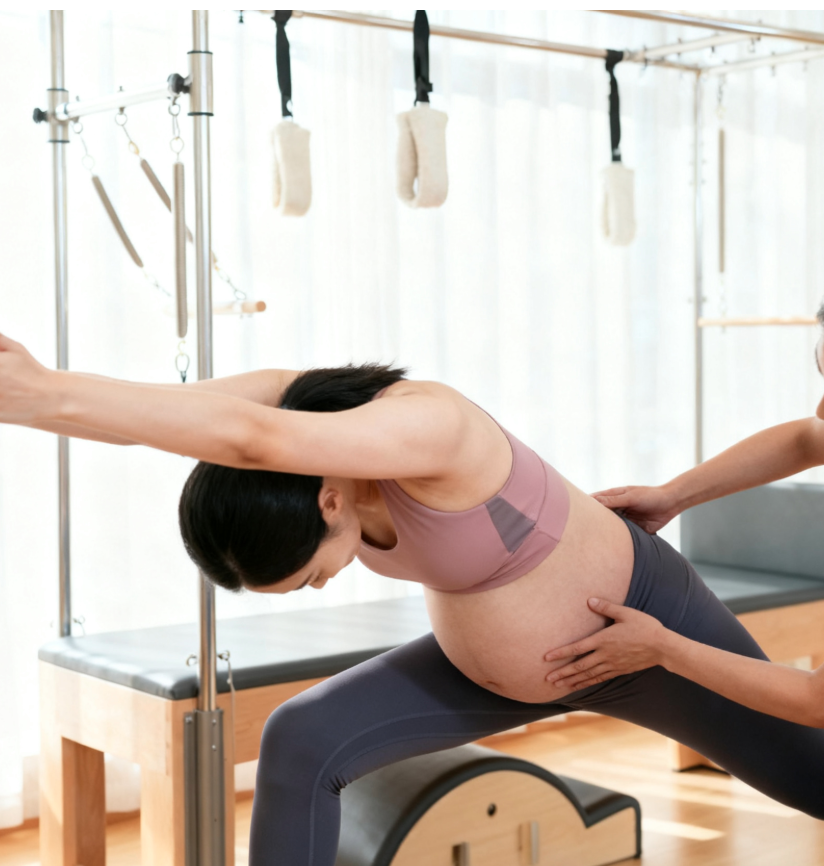
Reformer Pilates is generally safe during pregnancy, but it requires careful consideration and modifications. Working with a qualified instructor who understands prenatal fitness is essential to ensure safety.
Reformer Pilates offers several benefits, including core strengthening, improved posture, increased flexibility, stress relief, and better circulation. These benefits can help you stay healthy and comfortable during pregnancy.
As your pregnancy progresses, you’ll need to modify your exercises. In the first trimester, focus on building strength and stability. In the second trimester, avoid lying flat on your back and modify positions to accommodate your growing belly. In the third trimester, focus on gentle movements and avoid exercises that could lead to falls or strain.
It’s generally not recommended to start a new exercise program during pregnancy if you’re new to it. However, if you’re fit and healthy, you can start with prenatal Pilates classes or one-on-one sessions with a qualified instructor who can guide you safely.
You can typically continue Reformer Pilates throughout your pregnancy as long as you feel comfortable and have your doctor’s approval. Stop if you experience any pain or discomfort and always prioritize your and your baby’s health.
Reformer Pilates can be a safe and beneficial form of exercise during pregnancy, offering numerous physical and emotional benefits. By consulting with your healthcare provider, working with a qualified instructor, and making appropriate modifications, you can enjoy a healthy and active pregnancy. For those looking to enhance their prenatal fitness journey with high-quality equipment, Jinan Senya Equipment Co., Ltd. provides reliable and innovative Reformer Pilates machines designed to support your well-being. Embrace the journey and prioritize your well-being, knowing that Reformer Pilates, with the support of Jinan Senya Equipment, can support you every step of the way.


