Views: 0 Author: Site Editor Publish Time: 2025-11-13 Origin: Site


Maintaining the pristine condition of Pilates Equipment Leather is crucial for both aesthetic appeal and functional longevity. The choice of cleaner plays a pivotal role in preserving the integrity of the leather surfaces used in Pilates equipment. This article delves into the nuances of selecting the right cleaner, offering insights into various types of leather used, their properties, and the best practices for maintenance. By understanding the characteristics of different leather types, such as PU Pilates Equipment Leather and Synthetic Pilates Equipment Leather, studio owners can make informed decisions to enhance the durability and hygiene of their equipment. For a comprehensive guide on maintaining Pilates equipment, refer to the SOP document.
Pilates equipment leather is a specialized material designed to withstand the rigors of regular use while providing comfort and support. It is essential to recognize the different types of leather used in Pilates equipment, as each type has unique properties that influence cleaning and maintenance strategies. Common types include natural leather, PU Pilates Equipment Leather, and Synthetic Pilates Equipment Leather. Natural leather is prized for its durability and aesthetic appeal, while synthetic options offer cost-effectiveness and ease of maintenance.
Natural leather, derived from animal hides, is known for its luxurious feel and long-lasting durability. However, it requires careful maintenance to prevent damage from moisture and oils. On the other hand, synthetic leather, such as PU leather, is manufactured using polymers, offering a more affordable and low-maintenance alternative. It is crucial to understand these differences when selecting a cleaner, as the wrong product can lead to deterioration or discoloration.
PU leather, a type of synthetic leather, is favored for its resemblance to genuine leather and its resistance to wear and tear. It is water-resistant and easy to clean, making it a popular choice for Pilates equipment. Synthetic leather, in general, offers a seamless surface that is less prone to cracking and peeling compared to natural leather. These properties make synthetic options ideal for high-traffic environments like Pilates studios.
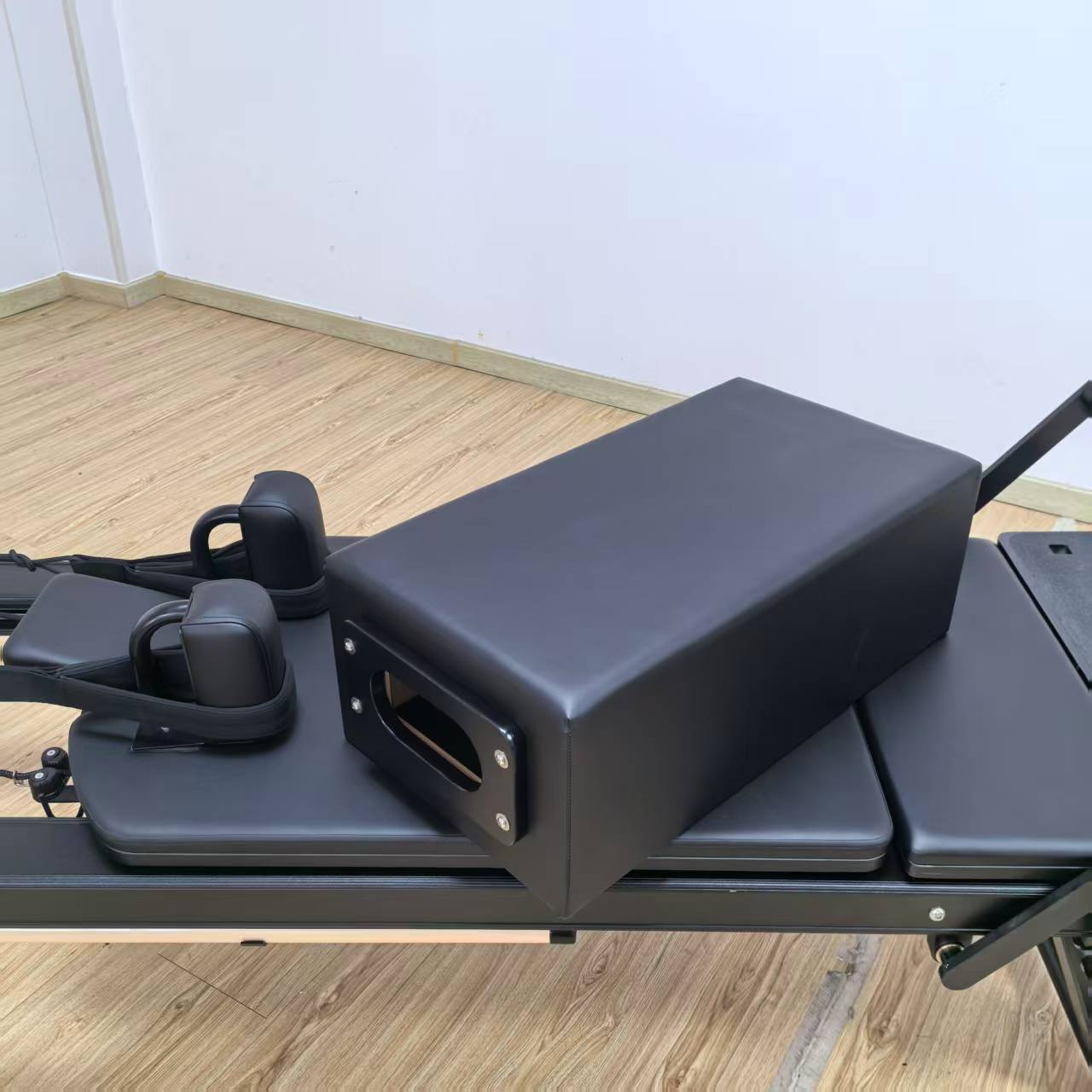
Selecting the appropriate cleaner for Pilates equipment leather involves considering the type of leather, the frequency of use, and the desired level of hygiene. Cleaners should be gentle yet effective, capable of removing dirt and sweat without damaging the leather. For Durable Pilates Equipment Leather, products with conditioning agents are recommended to maintain suppleness and prevent cracking.
In a studio setting, maintaining hygiene is paramount. Anti-bacterial Pilates Equipment Leather cleaners are essential for preventing the spread of germs and ensuring a safe environment for users. These cleaners are formulated to kill bacteria and viruses without compromising the integrity of the leather. It is advisable to choose products that are specifically designed for use on leather to avoid potential damage.
With growing environmental concerns, many studios are opting for eco-friendly cleaning solutions. These products are biodegradable and free from harsh chemicals, making them safe for both the environment and the leather. Eco-friendly cleaners are particularly beneficial for High resilience Pilates Equipment Leather, as they help maintain the material's elasticity and strength over time.
Proper maintenance extends the lifespan of Pilates equipment leather and enhances its appearance. Regular cleaning, conditioning, and protection are key components of an effective maintenance routine. For Reinforced Pilates Equipment Leather, it is crucial to follow manufacturer guidelines to prevent damage and ensure optimal performance.
Routine cleaning involves wiping down equipment after each use to remove sweat and dirt. A damp cloth with a mild soap solution is often sufficient for daily maintenance. For deeper cleaning, specialized leather cleaners should be used periodically to remove embedded grime and restore the leather's natural luster.
Conditioning is essential for maintaining the softness and flexibility of leather. Products containing natural oils or waxes are ideal for conditioning, as they penetrate the leather to replenish lost moisture. Additionally, applying a protective coating can shield the leather from UV rays and environmental pollutants, preserving its color and texture.
Choosing the right cleaner for Pilates equipment leather is a critical aspect of maintaining its functionality and appearance. By understanding the properties of different leather types and selecting appropriate cleaning products, studio owners can ensure the longevity and hygiene of their equipment.
1. What is the best cleaner for PU Pilates Equipment Leather?
For PU leather, a gentle cleaner specifically designed for synthetic materials is recommended to avoid damage.
2. How often should Pilates equipment leather be cleaned?
It should be cleaned after each use to remove sweat and dirt, with deeper cleaning done periodically.
3. Can natural leather cleaners be used on synthetic leather?
It is not advisable, as natural leather cleaners may contain oils that can damage synthetic surfaces.
4. Are anti-bacterial cleaners safe for all types of leather?
Yes, as long as they are formulated for leather and do not contain harsh chemicals.
5. What are the benefits of using eco-friendly cleaners?
They are biodegradable, safe for the environment, and gentle on leather, preserving its quality.
6. How can I protect my Pilates equipment leather from UV damage?
Applying a UV-protective coating can help shield the leather from sun damage.
7. What should I do if my leather equipment starts to crack?
Regular conditioning with appropriate products can help restore moisture and prevent further cracking.


