Views: 0 Author: Site Editor Publish Time: 2026-10-14 Origin: Site


Opening a new studio or upgrading an existing space requires significant capital expenditure. The cost of choosing the wrong manufacturing partner isn't just the replacement price of a broken carriage. It is the lost revenue of a downed station and a damaged studio reputation.
Sourcing for high-traffic environments requires looking beyond aesthetic appeal. You must evaluate structural integrity, supply chain reliability, and long-term support. Beautiful machines fail quickly if they lack rigorous commercial durability standards.
This guide breaks down a structured, B2B-focused framework for vetting a Pilates equipment supplier. Using these steps ensures your investment yields consistent performance and a steady return. You will learn exactly how to analyze materials, decipher warranty terms, and audit logistics before signing any contracts.
Before reviewing technical specifications, clarify your operational needs. Every studio operates differently in the current fitness landscape. Some facilities cater to high-intensity athletic conditioning. Others focus purely on clinical rehabilitation and mindful movement. Your hardware must reflect your core curriculum perfectly.
Define your teaching requirements first. Does your program demand classical specifications? Classical studios typically need authentic dimensions and very specific spring tensions. Instructors trained in this traditional method expect a distinct, unyielding feel from the apparatus. They rely on precise geometry to teach original sequences.
Alternatively, contemporary studios prioritize versatility and modification. You might need adjustable rope systems to accommodate rapid transitions between exercises. You might prefer wider carriages to comfortably support diverse body types. Ensure your chosen manufacturer aligns strictly with your teaching modality. An equipment mismatch frustrates instructors, disrupts class flow, and ultimately confuses your clients.
Look carefully at the entire product lineup. Evaluate if the vendor can outfit your entire facility uniformly. Mixing manufacturers creates massive maintenance headaches down the road. A studio might try buying Reformers from one brand, Wunda chairs from another, and a Pilates Cadillac from a third.
This fragmented approach complicates repairs significantly. Instructors must memorize different adjustment mechanisms for different brands. Clients experience inconsistent resistance profiles across various stations. A comprehensive supplier catalog eliminates these friction points entirely. It unifies the studio aesthetic, streamlines your daily operations, and ensures a seamless client experience.
Custom branding sets a premium studio apart from local competitors. Determine if the manufacturer offers brand-aligned upholstery colors. Check for various wood stain options that match your architectural finishes. High-end spaces often require bespoke aesthetics to maintain a cohesive interior design theme.
However, you must weigh these visual options against production timelines. Off-the-shelf units usually ship fast. Custom units invariably require significant lead times. Plan your build-out schedule accordingly. Do not sacrifice a lucrative grand opening date purely to wait for custom vinyl colors.
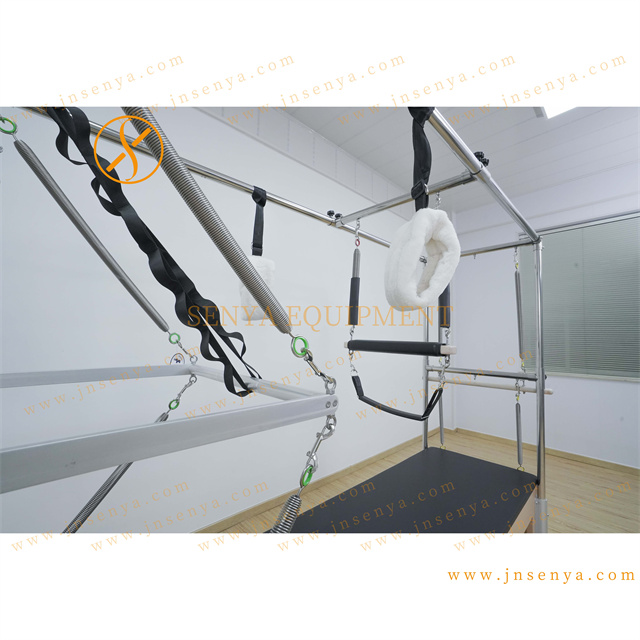
Durability dictates studio profitability over the long run. A broken machine generates zero revenue. Therefore, scrutinizing physical construction is mandatory when evaluating any commercial Pilates equipment. You must look past the marketing polish and demand engineering facts.
The frame acts as the foundation of your investment. It must withstand relentless daily use without yielding.
Moving parts inevitably fail first. Focus your mechanical inspection on high-friction zones and load-bearing elements.
Manufacturing quality matters little if the units never arrive on time. Logistics can easily make or break a new studio launch. You must audit the vendor's supply chain just as rigorously as their hardware.
Demand hard data on dispatch dates. Separate in-stock fulfillment timelines from made-to-order manufacturing schedules. Vague delivery promises often lead to severely delayed openings and wasted rent.
A reliable vendor provides a firm production calendar upfront. They communicate proactive updates regarding your order status. Ask them how they handle unexpected global material shortages. Transparency during delays separates professional partners from amateurs.
Assess their shipping infrastructure thoroughly. Large apparatuses require specialized transport methods. Less Than Truckload (LTL) freight is standard in this industry, but the execution varies wildly.
Determine exactly where their delivery responsibility ends. Check if they handle customs clearance for international orders to avoid border delays. Ask if they offer liftgate delivery as standard. Find out if they provide inside delivery or professional white-glove installation services. Curbside drop-offs leave you struggling to move heavy wooden crates indoors.
Global supply chains remain highly volatile. A trustworthy partner proactively maintains a consistent buffer stock. They should hold high-demand units in regional warehouses. Most importantly, they must stock critical replacement parts domestically.
This inventory stability mitigates global shipping disruptions. It guarantees your studio stays fully operational during peak enrollment seasons.
| Supply Chain Factor | Supplier Claim | Verification Method | Studio Risk Level |
|---|---|---|---|
| Lead Time | "Ships in 4 weeks" | Request recent delivery receipts | High |
| Customs Clearance | "We handle everything" | Check contract for DDP terms | High |
| Freight Transport | "LTL Delivery included" | Confirm liftgate inclusion | Medium |
| Buffer Stock | "Parts always available" | Audit domestic warehouse locations | Critical |
Marketing brochures often highlight impressive guarantees. However, operational realities lie hidden in the fine print. You must decode the warranty structure completely to protect your business.
Many vendors loudly advertise lifetime coverage. Break down these warranty tiers carefully. Frame warranties might indeed last a lifetime, as thick wood and metal structures rarely fail under normal conditions.
However, identify the specific coverage periods for mechanical parts. Pulleys, hinges, and tracking wheels often carry much shorter terms. Wear-and-tear items face immediate exclusions. Springs, footbar covers, loops, and vinyl upholstery usually fall outside long-term protection. Know exactly what the policy excludes before you buy.
A comprehensive warranty proves completely useless without accessible inventory. If parts take three months to ship from overseas, your machine sits idle, draining revenue. Confirm the vendor holds local or domestic inventory for common failures. They must prioritize fast shipping for critical components.
Evaluate the entire post-sales onboarding process. Do not accept a generic support email address as a solution. High-volume studios need robust, immediate technical assistance.
Follow these steps to audit post-sales support effectively:
Narrowing down your options requires direct interrogation. Use this shortlisting framework during vendor interviews. It strips away marketing rhetoric and exposes operational truth.
Ask: "Do you offer tiered volume pricing or financing options for multi-unit studio build-outs?"
Growing a fitness business requires capital flexibility. Top-tier manufacturers understand B2B scaling dynamics. They provide progressive discounts for bulk orders. They often partner with reputable equipment financing firms to ease your initial cash flow burden.
Ask: "Are your machines tested for maximum user weight capacity, and do they hold any ISO or relevant manufacturing safety certifications?"
Client safety remains your ultimate liability. Do not accept verbal assurances regarding strength. Demand official certification documents. Verified weight capacities protect your clients from injury and shield your insurance premiums from spikes.
Ask: "Can you provide references from three commercial studios that have used your equipment for over two years?"
Every brand looks flawless on day one. Two years of heavy, continuous use reveals the truth. Contact these references directly. Ask them candidly about spring longevity, upholstery wear, and customer service responsiveness when things break.
Ask: "Do you have a showroom, or do you offer a trial period/return policy for a single unit before we commit to a full studio order?"
Never buy a fleet of machines blind. Visit a physical showroom if geographically possible. Alternatively, negotiate a trial period for one unit. Test it extensively with your lead instructors before signing the master contract.
Selecting a manufacturer represents a vital operational partnership. Your success hinges on looking far past basic marketing claims. You must rigorously verify material specifications, logistical competence, and post-purchase reliability. Aesthetic appeal means absolutely nothing if the apparatus fails during a busy evening class.
Take action today. Use the criteria outlined above to audit your top three potential vendors. Request their detailed engineering spec sheets. Scrutinize their warranty exclusions closely. Finally, initiate a deep conversation with their B2B sales representatives to test their responsiveness and industry knowledge.
Building a successful fitness business starts with a rock-solid foundation. Choose a partner who respects your timeline, guarantees their build quality, and supports your long-term studio growth.
A: Standard in-stock items typically ship within one to two weeks. However, custom colors or overseas bulk orders often require eight to twelve weeks for delivery. You must plan your studio build-out schedule around these timelines to avoid delayed grand openings.
A: Buying overseas offers lower upfront pricing but carries significant risks. You may encounter hidden freight fees and complex customs charges. Furthermore, overseas purchases often lack local liability insurance. Enforcing warranty claims or securing fast replacement parts becomes notoriously difficult across borders.
A: Industry standards dictate that springs require replacement every 12 to 24 months in a heavy-use setting. This strict schedule ensures optimal client safety and maintains consistent resistance. Therefore, your supplier's ability to provide quick replacement parts is absolutely critical.
A: Yes. Top-tier manufacturers routinely offer custom vinyl colors and unique wood finishes to match your interior design. However, be aware that customization usually extends production lead times significantly. Many vendors also require minimum order quantities for bespoke designs.


