Views: 0 Author: Site Editor Publish Time: 2026-09-26 Origin: Site


For B2B wholesale buyers, studio franchises, and regional distributors, evaluating a commercial Pilates bed often stops at build quality. They leave packaging as an afterthought. Inadequate packaging causes scratched aluminum rails and deformed upholstery. It leads to astronomical shipping damages. The wrong packaging type significantly inflates freight volume. It creates massive logistical headaches during studio installation.
When shipments arrive damaged, refund disputes consume weeks of your time. Studio launch dates get pushed back. Unhappy clients lose faith in your brand. Choosing the right packaging strategy is a critical final step. You must balance protection, volumetric weight, and unboxing efficiency. This secures your equipment investment. It lowers your overall landed shipping costs. You need materials matched precisely to your chosen freight method. Doing so ensures every carriage glides perfectly on day one.
Buyers often focus strictly on unit price. They ignore the hidden expenses tied to inferior packaging. Poor packing materials create a ripple effect. This impacts everything from ocean freight billing to final assembly.
Pilates reformers rely on precise engineering. The carriage must glide effortlessly over the aluminum tracks. Side-impacts during transit can misalign these carriage rails. A bent rail leads to a bumpy, noisy user experience. It ruins the core value of the equipment. Furthermore, heavy impacts can shatter the internal carriage bearings. Replacing these components requires specialized tools. It forces studios to keep machines offline for weeks.
Logistics companies charge based on either actual weight or volumetric weight. They always bill you for whichever number is higher. Poorly optimized, oversized packaging inflates shipping costs rapidly. Some factories use excessive, unmeasured bubble wrap. They build crates far larger than the equipment demands. This traps empty air inside the box. For bulky items shipped via air freight or LCL, this empty space costs you money. You end up paying premium freight rates for shipping air.
You must view the unboxing process as a direct labor cost. Consider equipment designated for commercial pilates reformer studio use. Spending three hours prying open a poorly designed crate disrupts operations. Workers swinging crowbars inside a finished studio risk damaging expensive hardwood floors. Excessive packaging materials also create a massive waste disposal problem. Studio owners must pay commercial waste management fees to haul away discarded plywood and foam.
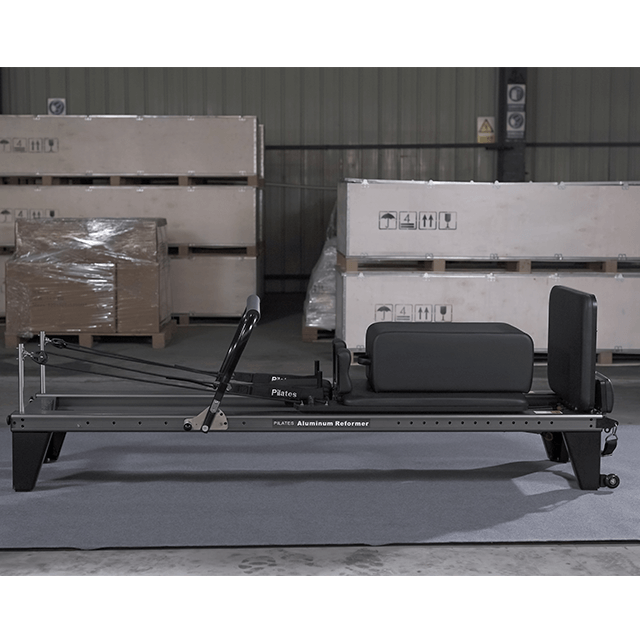
Importers usually choose between two primary packaging methods. Each serves a distinct logistical purpose. You must select the method matching your specific supply chain needs.
Wooden crates provide the highest level of physical security. Factories build these rigid structures around the equipment.
High-density corrugated cardboard offers an excellent alternative. Suppliers pair this cardboard with custom-molded Expanded Polystyrene (EPS) foam.
Table 1: Packaging Comparison Matrix
| Feature | Plywood Crates | Heavy-Duty Cartons + EPS |
|---|---|---|
| Protection Level | Maximum (Crush & Impact) | Moderate to High |
| Ideal Freight Method | LCL (Shared Container) | FCL (Dedicated Container) |
| Volumetric Weight | High (Adds significantly to shipping cost) | Optimized (Space-efficient) |
| Unboxing Speed | Slow (Requires tools) | Fast (Tool-free entry) |
| Disposal Convenience | Difficult (Requires commercial haul-away) | Easy (Standard recycling) |
General-purpose packaging never works for precision fitness equipment. Manufacturers must design the packaging around the unique anatomy of the machine.
Ocean freight exposes cargo to extreme humidity variations. This environment threatens sensitive materials. Factories must apply moisture-barrier PE (Polyethylene) wrapping over all leather and vinyl components. This prevents mold growth. Furthermore, suppliers must box springs separately. Immobilized boxing for springs is mandatory. If left attached, springs bounce during transit. This continuous motion causes tension loss. Unprotected metal also risks rusting during long sea voyages.
Specialty or hybrid equipment requires intelligent modular packaging. Consider a multi-functional pilates two way core bed. The tall tower and half-trapeze components cannot ship fully attached to the base. Factories must box these metal verticals separately from the main wooden or aluminum carriage. Isolating these parts prevents metal-on-metal scratching. It keeps the heavy steel pipes away from the delicate upholstery during turbulent transport.
Loose packaging destroys reformers. Strict adherence to exact commercial Pilates bed specifications during the packaging design phase is vital. The EPS foam or wooden blocking must hug every contour of the machine. This ensures a tight fit. A tight fit eliminates internal movement. Internal shifting is the number one cause of micro-scratches on aluminum and polished maple wood frames.
Your packaging choice dictates how smoothly your equipment travels from the factory floor to the studio floor. Logistics optimization requires forward-thinking.
Standardizing carton sizes allows wholesale buyers to maximize pallet stacks. Efficient stacking inside a 20ft or 40ft HQ container drastically reduces your per-unit shipping cost. When packages feature uniform dimensions, warehouse workers load them in tight, interlocking grids. This prevents boxes from collapsing. It utilizes every available cubic meter of your rented container space.
Containers crossing the ocean experience severe temperature fluctuations. This phenomenon creates "container rain." Condensation drips onto your cargo. You must insist on desiccant packs inside every box. If you utilize wooden crates or pallets, ensure they are heat-treated. ISPM 15 compliance prevents customs delays. It stops mold and pests from destroying your wood and leather components during humid transits.
Always prompt your buyers or logistics team to consider the final destination. Large freight trucks cannot easily navigate narrow city streets. A 150kg solid wood crate dropped at a curbside poses a massive problem. It requires a specialized moving team to force it through narrow studio doors. Conversely, a modular, heavy-duty carton approach offers flexibility. Installation teams can open the cartons on the sidewalk. They can carry the machine component-by-component up the stairs.
Do not leave packaging to chance. You must actively negotiate packing standards before signing any purchasing contract.
Legitimate factories test their packaging rigorously. Instruct your purchasing team to ask for proof of ISTA (International Safe Transit Association) testing. If official certification is unavailable, request standard drop-test videos from the factory floor. You need visual proof showing a packed reformer surviving a typical forklift drop without internal damage.
A trustworthy commercial Pilates bed supplier proactively guides your shipping strategy. They recommend the right packaging based on your volume. If you buy two units, they will mandate plywood crates to survive LCL transit. If you order fifty units, they will suggest customized cartons to maximize FCL efficiency. Avoid suppliers who refuse to adapt their packing methods to your specific container plan.
Poor unboxing procedures cause many accidental damages. Recommend partnering with suppliers who provide clear exterior labeling. Boxes should clearly state "Open This Side" and "Fragile - Precision Rails." The best manufacturers also provide digital unboxing guides via QR codes printed on the box. These guides prevent eager installation crews from slicing through expensive upholstery with box cutters.
Packaging is not merely a box; it is the final layer of insurance for your equipment investment. There is no single "best" packaging solution across the board. The ideal choice depends entirely on your chosen freight method—LCL versus FCL—and the final studio installation environment. Plywood crates champion durability for rough supply chains. Engineered cartons excel in volume optimization and unboxing speed.
Take action on your next wholesale order. Mandate your specific packaging requirements directly in your Purchase Orders (POs). Require your factory to submit detailed packaging photos and container loading videos prior to releasing your final balance payment. Securing this proof guarantees your machines arrive in pristine condition, ready to generate revenue immediately.
A: Yes, if raw solid wood is used, it must be ISPM 15 certified. The wood requires fumigation or heat treatment to pass customs inspections. However, most modern suppliers use engineered plywood crates. Plywood often bypasses this strict requirement. Always verify current customs regulations with your supplier and freight forwarder.
A: Heavy-duty corrugated cartons typically add 10 to 15 kg to the net weight. A solid plywood crate can easily add 30 to 50 kg to the gross weight. You must carefully factor this additional dead weight into your international shipping quotes.
A: Rarely. Factories ship commercial beds partially disassembled to protect the carriage and tower components. This strategy also keeps shipping volumes economically viable. Usually, machines arrive 80% pre-assembled. The main frame remains intact, but the springs, ropes, and vertical tower frames require simple on-site bolting.


