Views: 0 Author: Site Editor Publish Time: 2026-09-14 Origin: Site


Investing in a commercial movement studio demands significant capital and strategic foresight. Purchasing bulk specialized movement systems represents a major financial commitment for any clinic or franchise. Unfortunately, acquiring poorly manufactured or unverified units exposes your business to severe operational risks. Counterfeit or substandard machines often lead to client injury hazards and unpredictable maintenance downtime. They can also void commercial warranties, leaving you unprotected when components fail.
This guide delivers a rigorous quality assurance framework to help you systematically evaluate these assets. We will explore how to assess structural integrity, test mechanical smoothness, and verify vendor reliability. You will learn exactly what to inspect before signing a purchase order or accepting a large freight delivery. By following this strict receiving protocol, you protect your investment and ensure a safe environment for your clients.
Investing in commercial studio gear demands careful financial scrutiny. You face immense liability if a machine fails during a session. Rotational and weighted exercises inherent to the gyrotonic method place extreme stress on mechanical joints. A snapped cable can severely injure a client without warning. A splintered wooden frame creates similar safety hazards on the floor. These physical failures instantly create massive legal exposure for your business. They also damage your brand reputation permanently.
Next, consider your daily operational uptime. Identifying wear-prone components early prevents unexpected breakdowns. Broken machines sit unused on your studio floor. Out-of-service units directly reduce your daily class capacity. You lose revenue for every hour they remain broken. Reliable equipment protects your monthly cash flow. Furthermore, client dissatisfaction grows rapidly when their favorite machines are unavailable for use.
Finally, analyze the long-term maintenance impact of your purchase. Cheap upfront quotes often hide substandard build quality. Evaluating upfront pricing alone ignores ongoing repair expenses. Frequent parts replacements quickly drain your operating budget over time. Technician call-out fees add another heavy layer of expense. Rigorous inspection prevents these hidden long-term costs. You must evaluate the true lifecycle value of the assets before buying in bulk.
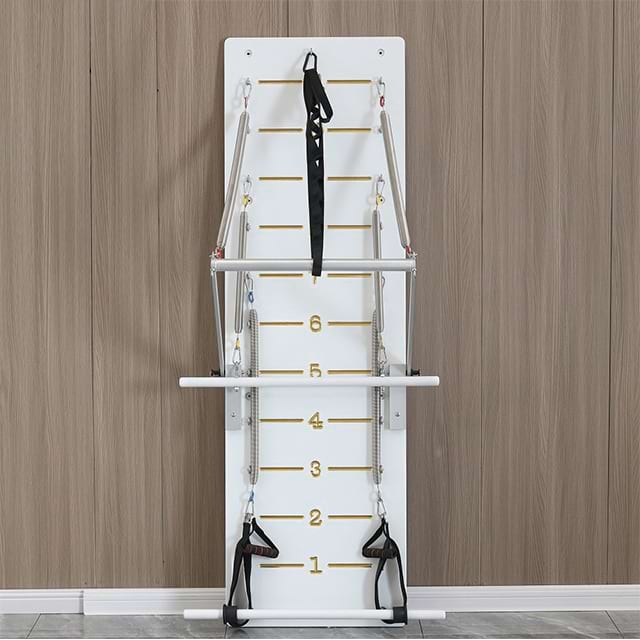
When inspecting bulk orders, you must demand premium materials. Ask your vendor for detailed gyrotonic equipment specifications before finalizing any deal. Start by verifying the wood grading. Solid hardwoods resist environmental warping much better than engineered laminates. Studio environments often experience fluctuating humidity levels daily. Temperatures also shift rapidly during intense group classes. Weak laminates will eventually crack under these changing conditions. You should insist on kiln-dried hardwoods for maximum structural stability.
Next, examine the upholstery and foam density. Commercial standards dictate thick, tear-resistant vinyl. The vinyl must resist sweat and frequent antibacterial wiping. Underneath the vinyl, you should find high-density EVA foam. This specific foam resists compression from continuous daily use. Clients should never feel the hard wooden base through the padding.
Finally, audit the hardware tolerances. You must inspect bolts, joints, and rotational discs carefully. Manufacturers must use precision milling for these heavy-duty parts. They should move freely without excessive lateral play. Wobbly joints suggest poor manufacturing practices from the factory. Loose hardware significantly shortens the lifespan of your investment.
| Component | Standard Material Requirement | Warning Signs to Reject |
|---|---|---|
| Frame | Kiln-dried solid hardwood | Visible laminate seams, splintering, soft spots |
| Upholstery | Commercial-grade, sweat-resistant vinyl | Thin material, loose stitching, discoloration |
| Padding | High-density EVA compression foam | Soft spots, bottoming out under heavy weight |
| Hardware | Precision-milled stainless steel | Wobbly joints, excessive lateral play, rust |
The Pulley Tower serves as the cornerstone asset of your studio. You must rigorously test its mechanical fluidity upon arrival. Start by evaluating the primary cable tracking system. Pull the cables outward at various challenging angles. They should glide smoothly over the pulleys. You should not feel them snag or catch at any point. Next, check the internal bearing smoothness. Verify the weight stack alignment carefully. Misaligned weights will scrape against the metal guide rods. This friction creates uneven, jerky resistance during exercises.
Pay close attention to common friction points. Handles, foot straps, and rotational axes often fail first. Listen closely during your initial inspection. Abnormal auditory cues indicate poor internal assembly. Squeaking or grinding sounds require immediate investigation. You should feel zero rough spots during a full rotational cycle.
Consistency across your entire order is also crucial. You must conduct batch testing upon delivery. Machine number one must feel exactly like machine number ten. Inconsistent tension ruins the client experience in synchronized group classes. Group classes rely on synchronous movement. If one machine lags, it disrupts the entire class flow.
Bulk equipment setups require meticulous spatial planning. These machines demand a unique, three-dimensional operational footprint. Clients extend their arms and legs fully during rotational sequences. You must provide ample clearance around each unit. This spacing ensures safe operation and prevents accidental collisions. Overcrowded floors create severe liability hazards for your business.
Multi-modality integration requires even stricter evaluation criteria. Many modern studios mix different resistance systems in one room. For example, you might install Pulley Towers alongside a pilates springboard workout pilates wall equipment setup. This mixed layout demands careful structural planning. You must ensure wall load-bearing safety for the heavy wall units. Optimal client traffic flow between different stations is also strictly necessary. Clients need safe walking paths to transition between different modalities.
Finally, address anchoring and machine stability. Studio floors are rarely perfectly level. You must verify floor-leveling requirements before installation. Conduct anti-slip inspections for the base of each machine. Units must not drift or slide during high-tension exercises. Secure bases prevent injuries during dynamic movements.
Choosing the right manufacturing partner mitigates immense operational risk. You must verify vendor authorization and authenticity immediately. Ensure you partner with a fully licensed and authorized gyrotonic equipment supplier. The global market contains many counterfeit or non-compliant replicas. These knock-offs lack proper mechanical calibration. Buying unverified machines will void official instructor certifications.
Next, break down their commercial warranty offerings. A standard B2B warranty should offer robust, long-term protection. Expect a lifetime guarantee on the main structural frame. Moving parts should carry at least one to two years of coverage. Read the fine print carefully. Understand exactly what actions void this warranty coverage.
Finally, evaluate their post-sale support infrastructure. A transparent vendor acts as a long-term business partner, not just a one-time seller. Ask about their parts replacement lead times. Determine if they provide access to certified repair technicians in your region. You also need clear return policies for defective units delivered in a bulk freight shipment.
Accepting a large freight delivery requires a strict receiving protocol. You must follow a step-by-step unboxing checklist for your new gyrotonic equipment. Inspect every single crate for visible freight damage. Do this before signing the final bill of lading. Look for crushed corners or triggered shock sensors on the boxes. Count all loose parts meticulously. Verify every single serial number against your original purchase order. Early detection of defects saves you months of administrative headaches.
If your machines require assembly, validate the installation process. We strongly advise using authorized installers rather than in-house staff. DIY assembly often voids the manufacturer warranty if components break. Authorized installers use specialized alignment tools to ensure perfection.
Once assembled, conduct a rigorous burn-in test. We recommend a mandatory 48-hour testing period. Restrict this testing phase to staff members only. Instructors should heavily stress-test the bulk equipment. They must use maximum loads to uncover hidden manufacturing flaws. They must replicate intense client sessions accurately. Only after passing this burn-in phase should you allow public use.
Inspecting bulk equipment bridges the crucial gap between flashy marketing claims and actual mechanical reality. You secure your financial investment by rigorously auditing structural integrity. Testing mechanical fluidity ensures a premium experience for your clients. Protecting your studio starts long before the machines arrive on the floor.
To move forward confidently, take these immediate action steps:
A: Commercial units feature significantly thicker frame dimensions and higher-grade internal bearings. Manufacturers engineer them to withstand high-frequency, daily usage in busy studios. Home-use models utilize lighter materials meant for occasional personal sessions. Furthermore, commercial machines include robust B2B warranties covering continuous operational wear, which home models explicitly exclude.
A: You should expect lead times ranging from several weeks to a few months. Manufacturing bulk orders requires time, and international freight logistics add unpredictable delays. Buyers must align their purchase orders tightly with their studio build-out or renovation schedules to prevent costly opening delays.
A: We strongly advise against using general fitness technicians. These specific machines require precise tension calibration. They also demand specialized knowledge of complex rotational mechanics. You should only use technicians certified or explicitly recommended by the official supplier. Hiring unauthorized repair staff will likely void your commercial warranty.
A: Document the defect immediately upon unboxing. Take clear photos of the damage. Record the unit's exact serial number. Notify your supplier right away using written communication. Do not attempt to assemble or use the compromised unit. Using broken equipment can void your return eligibility and cause serious injury.


